 Image 1 of 3
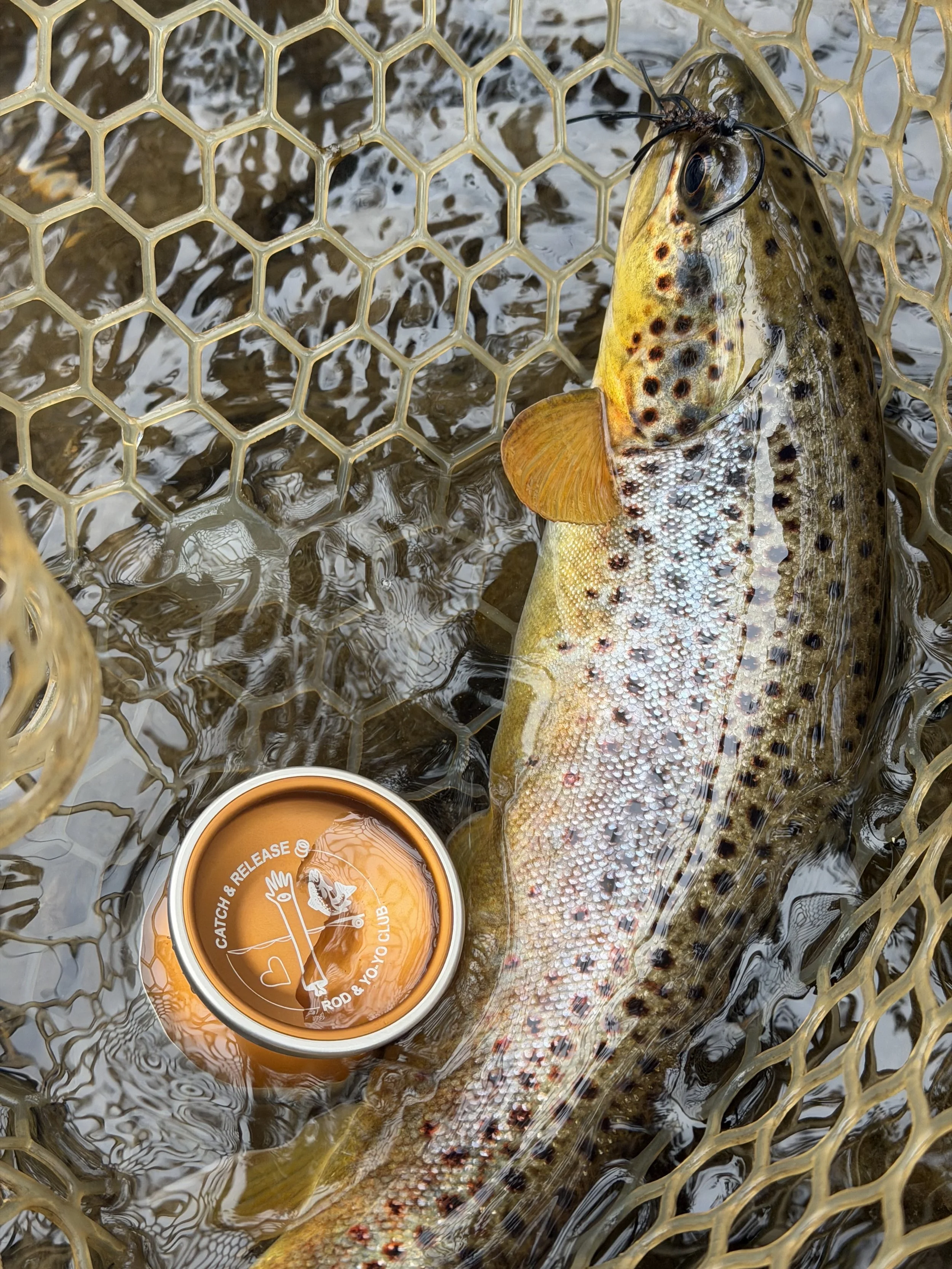 Image 2 of 3
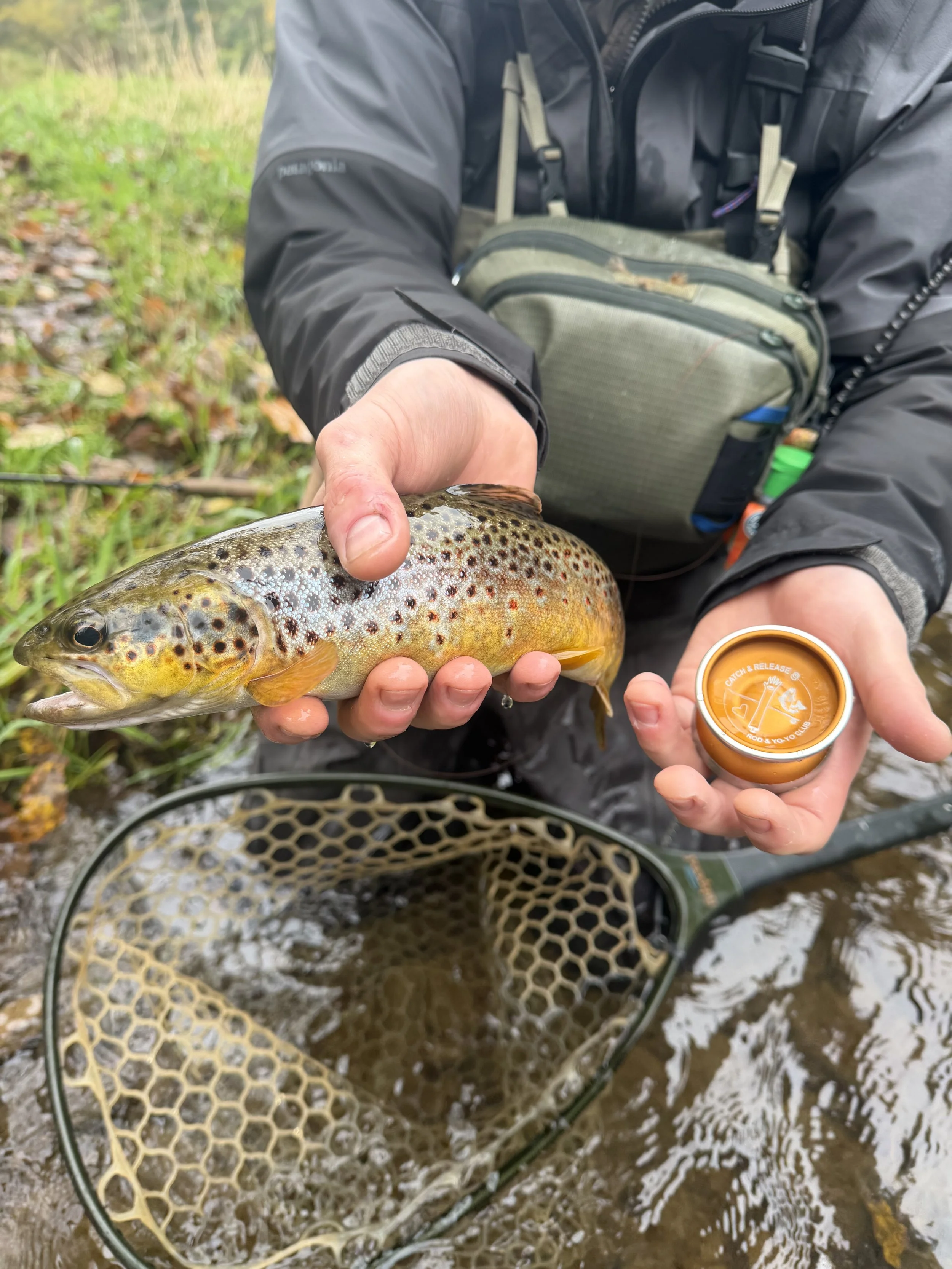 Image 3 of 3
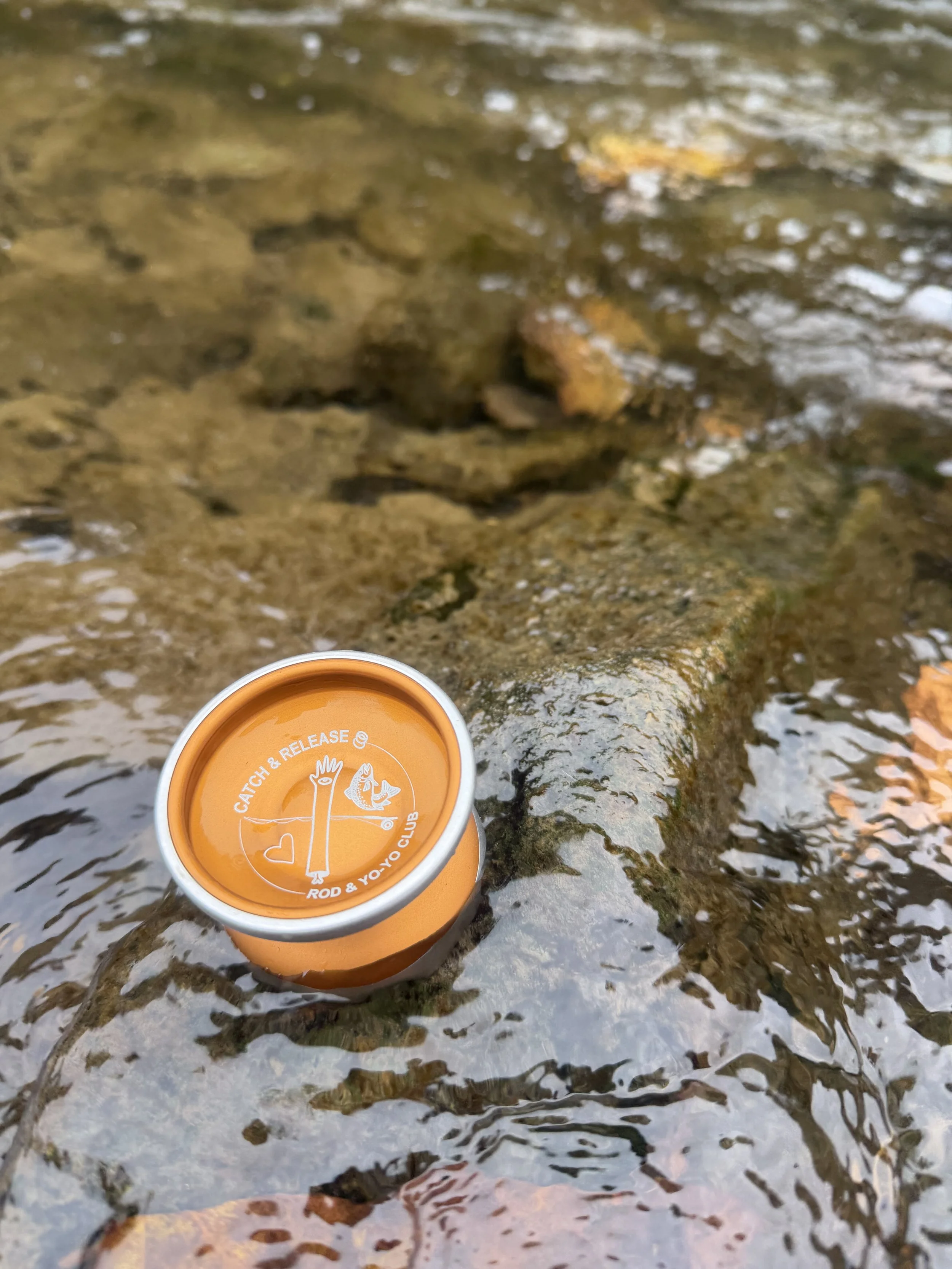
My signature edition Slap Jr: an ode to two of the greatest passions of my life.
People often ask me if I keep the trout I catch when fly fishing. I don’t, and they wonder what the point is if I’m not eating what I catch? Over my 22 years of yo-yoing I’ve heard the same question: what’s the point? To an outsider, yo-yoing can seem like a "useless" skill that doesn't offer much in the real world.
For me, both yo-yoing and fly fishing are deeply rewarding. They can be quiet, solitary, creative pursuits, and simultaneously great ways to build relationships and connect with others. I can kill hours at home tying flies or practicing tricks in total isolation, then go spend a weekend catching up with old friends and meeting new ones on the water or at a yo-yo contest.
I can spend the off-season reading books about fly fishing, learning new techniques and studying regional fly patterns to test on the river. I can do the same with yo-yo: pulling inspiration from decades-old tricks, studying great yo-yo players both new and old, creating my own tricks and variations, and honing them until it’s good enough to film and share with others.
The throwing (release) and catching of a yo-yo are just necessary prerequisites to get to the magic in between. Fishing is no different. I go to the river with the goal of catching and releasing fish, but the real joy lies in everything that happens before and after that: exploring nature, observing wildlife, reading the water and making decisions on how to approach the fish, choosing the right fly and physically executing the cast that will (or won’t) be successful in catching the fish.
Creating a new yo-yo trick is a practice of decision-making and problem-solving. You have the final say in what happens, what order the moves proceed in, and how you choose to execute them. You make these decisions based on your own experience and personal style. You might solve a “problem” in a trick when you see another player’s “solution” in their own trick. Fishing is the same. A spooky trout in low, clear water holding under an undercut bank that is one day “impossible” to catch becomes catchable once you have the necessary skills and experience to decide how to approach it.
I’ve fallen into lifelong relationships with yo-yoing and fly fishing because they both have the power to fully engage my mind and imagination. I can study the greats who came before me, invent my own fly patterns and yo-yo tricks, and travel to places I would never have visited if there weren't a river or a yo-yo contest waiting for me.